
Autologous Serum Therapy
A treatment for chronic urticaria in which a patient's own processed serum is injected to reduce recurring hives.
Autologous serum therapy is a treatment used for some people with chronic urticaria (long-standing hives) whose rash is thought to be driven by the immune system reacting against the body’s own blood components. “Autologous” means the material used …
Board-certified consultants
About the treatment
What Autologous Serum Therapy involves
Autologous serum therapy is a treatment used for some people with chronic urticaria (long-standing hives) whose rash is thought to be driven by the immune system reacting against the body’s own blood components. “Autologous” means the material used comes from you: a small blood sample is taken, the serum is separated, and it is then given back as a course of injections into the skin.
Who it may suit
- Adults with chronic spontaneous urticaria lasting more than six weeks
- People whose hives are not well controlled by regular antihistamines at the doses a specialist has advised
- People in whom testing, such as the autologous serum skin test or relevant blood markers, supports an autoimmune pattern
It is not a first treatment for hives and is not suitable for everyone. Your clinician will discuss whether it is a reasonable option for you and what the alternatives are.
Before you start
You will usually be asked to continue your antihistamine as prescribed. Tell the clinic about all medicines and supplements you take, any bleeding tendency, and whether you are pregnant or breastfeeding. A baseline record of how active your hives are helps track whether the course is helping.
What to expect on the day
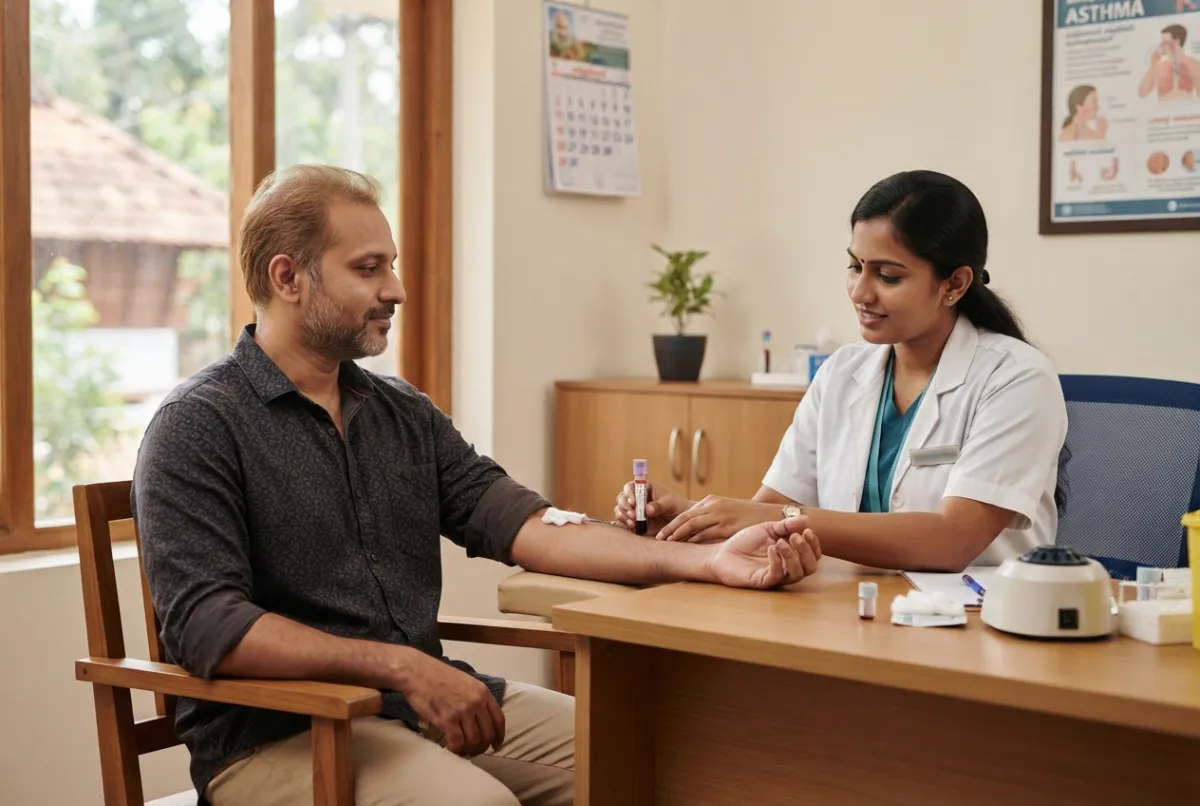
- A small blood sample is taken from a vein in the arm.
- The sample is left to clot and then spun in a centrifuge to separate the clear serum.
- A measured amount of your own serum is injected just under the skin, usually in the forearm, along with a comparison injection.
- You are observed for a short period afterwards before going home.
The process is repeated at intervals — often weekly — over a number of weeks, as set out in your plan.
Afterwards and possible effects
Some people notice temporary redness, itching or a small raised area at the injection site, which usually settles within a day. Bruising where blood was taken is common. As with any injection there is a small risk of infection; keep the area clean and contact the clinic if it becomes increasingly painful, hot or swollen. Response varies between individuals, and the clinic will review progress and decide with you whether to continue, adjust or stop.
Booking and follow-up
Autologous serum therapy is arranged after a consultation in which the diagnosis is confirmed and other options are considered. Bring a list of your current medicines and any previous test results. Review appointments are part of the course so that the plan can be adjusted to how you respond.
This page is general information and not a substitute for a consultation. Symptoms overlap between conditions, so a clinician's assessment is the reliable way to know what is going on and what will help in your case.
Your journey
Before, during and after your treatment
A clear, outpatient pathway designed for confidence at every step.
-
01
Consultant evaluation
First visitA full symptom history and clinical examination before anything is scheduled.
-
02
Confirm the plan
Same visit or a follow-upAllergy test results and any other findings confirm whether this treatment is right for you.
-
03
The treatment
Outpatient visitCarried out under direct consultant oversight at your chosen centre.
-
04
Follow-up
Scheduled afterClear written guidance and a scheduled consultant follow-up to track your progress.
Speak to our care coordinator
Get clear guidance on consultant availability and what to expect.